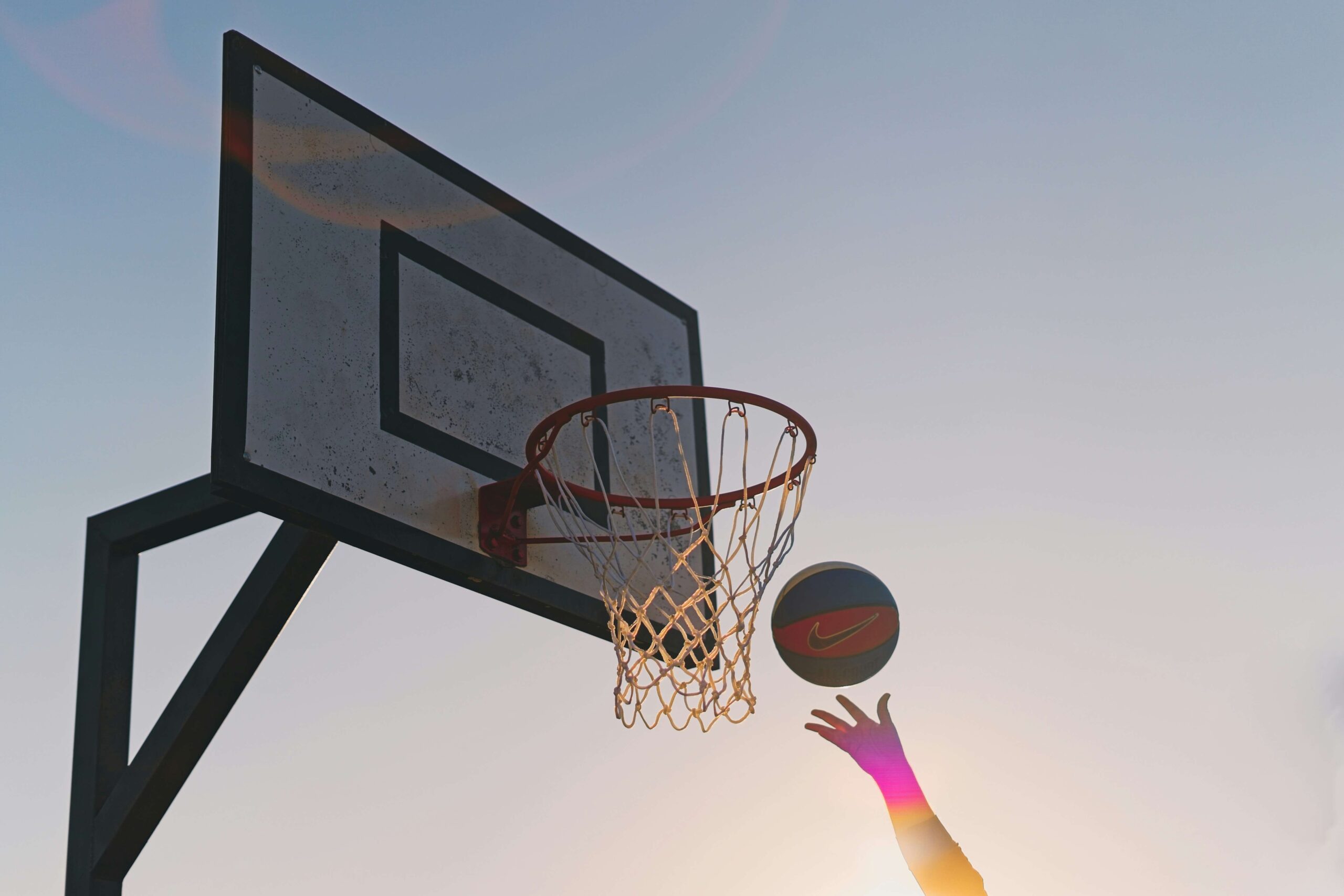
Communication is one of the most important basketball skills. Players must share information, understand instructions, coordinate movements, and support one another throughout a game. Even talented athletes can struggle when teammates fail to communicate effectively. Strong communication helps teams avoid mistakes, build trust, and perform better under pressure.
Team basketball exercises provide an effective way to develop these essential skills. Through regular practice, players learn how to express their ideas, listen to teammates, and respond quickly to changing situations. These activities also create a stronger team environment where everyone understands their responsibilities and works toward shared goals.
Passing Drills That Encourage Better Communication
Passing drills are excellent exercises for improving communication because players must coordinate their movements and understand one another’s intentions. Successful passing requires more than accuracy. Athletes must recognize open spaces, maintain proper positioning, and communicate before delivering the ball.
The three-player passing drill is a simple activity that develops these abilities. Three teammates move around the court while passing the basketball without stopping. Players should call out teammates’ names, make eye contact, and use clear verbal signals before passing.
Coaches can increase the difficulty by introducing defensive pressure or requiring players to complete a certain number of passes within a limited time. These challenges encourage athletes to communicate quickly while maintaining control.
Regular passing exercises help players build awareness and understand the importance of sharing information in competitive situations.
Defensive Communication Exercises for Stronger Coordination
Defense requires constant communication because players must work together to prevent opponents from creating scoring opportunities. Without clear instructions, defensive players may leave open spaces, miss switches, or fail to provide help when teammates need support.
The defensive shell drill develops these skills effectively. Players position themselves around the court while practicing defensive movements against an offensive group. As the ball moves between opponents, defenders communicate about positioning, passing lanes, and potential switches.
Coaches should encourage players to use simple and direct calls such as “help,” “switch,” and “ball.” These short instructions allow teammates to understand situations quickly.
Defensive communication drills also teach athletes to remain alert and take responsibility for supporting one another. When players communicate consistently, they become more organized and confident.
Team Scrimmages That Develop Verbal Confidence
Practice scrimmages create realistic situations where players can apply communication skills during active competition. Unlike isolated drills, these exercises require athletes to make decisions while responding to teammates and opponents.
Coaches can organize short five-on-five games with a specific communication goal. For example, players may be required to call out screens, announce defensive switches, and communicate before attempting passes.
Another useful approach is to assign one player to lead the team during each scrimmage. The temporary captain must organize teammates, encourage communication, and help everyone remain focused on the game plan.
Rotating this responsibility gives every athlete a chance to practice leadership and build confidence speaking in front of others.
Nonverbal Communication Drills for Better Court Awareness
Basketball communication does not always depend on spoken words. Eye contact, hand signals, body positioning, and movement can help teammates understand one another during fast-paced situations.
Nonverbal communication drills teach athletes to recognize these signals and respond appropriately. One useful exercise involves asking players to complete passing combinations without speaking. They must use gestures, eye contact, and positioning to coordinate their movements.
Coaches can also introduce hand signals for specific offensive plays. Players practice recognizing these signals and moving into the correct positions without receiving verbal instructions.
These exercises improve awareness and help teammates better understand each other’s playing styles. They are especially useful in noisy gyms where hearing verbal instructions can be difficult.
Small-Group Basketball Activities That Build Trust
Small-group exercises let players communicate more often and build stronger relationships. These activities give athletes opportunities to understand different perspectives and learn how their teammates prefer to play.
Three-on-three basketball is especially useful because every participant stays actively involved in both offense and defense. Players must discuss spacing, passing options, defensive assignments, and movement.
Coaches can pause the activity occasionally and ask players to explain their decisions. This encourages athletes to share ideas and listen to different opinions.
Trust develops when teammates understand that their contributions matter. Small-group exercises help create an environment where players feel comfortable communicating and supporting one another.
Communication Challenges That Improve Quick Thinking
Basketball requires athletes to process information and respond within seconds. Communication challenges can improve this ability by introducing specific rules that encourage players to speak clearly while making quick decisions.
For example, coaches can organize a transition drill in which players must call out their positions while moving from defense to offense. Each athlete communicates whether they are handling the ball, running toward the basket, or moving into an open area.
Another effective activity involves completing offensive sequences under a time limit. Players must communicate passing options and coordinate their movements before attempting a shot.
These exercises strengthen concentration, teamwork, and the ability to exchange information under pressure.
Creating a Positive Team Culture Through Communication
Consistent communication training helps create a supportive basketball environment. Players become more comfortable sharing feedback, asking questions, and encouraging teammates during difficult moments.
Coaches should demonstrate respectful communication and encourage athletes to avoid negative comments after mistakes. Constructive feedback helps players improve without damaging team confidence.
Recognizing positive communication is equally important. When athletes call out defensive assignments, encourage teammates, or provide useful instructions, coaches should acknowledge these efforts.
Developing Stronger Teams Through Daily Practice
Team basketball exercises offer practical ways to improve communication, coordination, and trust. Passing drills, defensive activities, scrimmages, nonverbal exercises, and small-group challenges help athletes understand how effective communication influences team performance.
With consistent practice, players become better listeners, clearer speakers, and more dependable teammates. These improvements strengthen relationships and create a more organized style of play. Most importantly, strong communication helps every athlete contribute confidently toward a shared basketball goal.